Our History
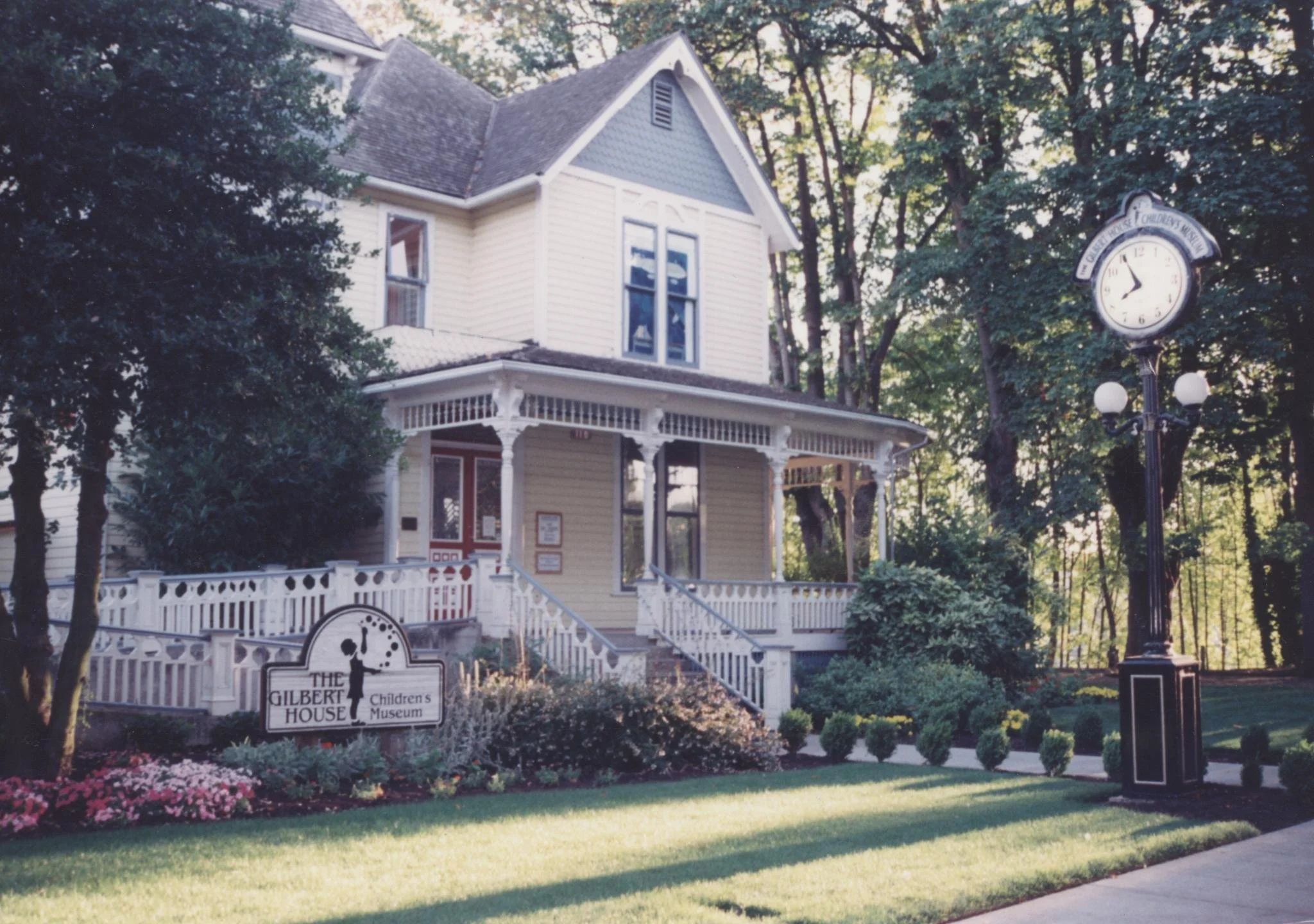
Gilbert House Children’s Museum opened its doors in December 1989, starting with just one house as part of Salem’s broader Riverfront Park development. The land that is now Riverfront Park had previously been home to the Boise Cascade pulp and paper mill. When the City of Salem purchased the property in 1984 and began transforming it into a public green space, the vision for a children’s museum was born alongside it.
Thanks to the vision of dedicated staff, volunteers, and a community that believed deeply in the value of play-based learning, the museum grew steadily from that single building into the vibrant complex it is today. What began as one restored historic house has expanded into a beloved institution welcoming over 100,000 visitors each year, with 40% coming from outside of Salem.
The Man Behind the Name
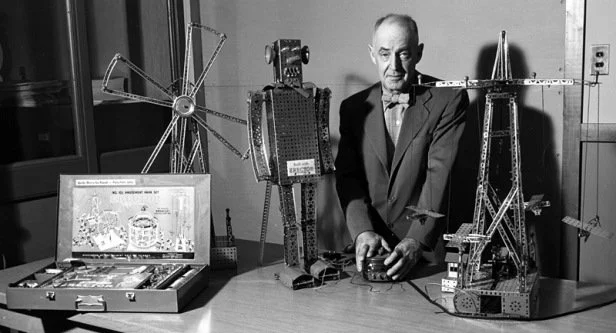
Gilbert House Children’s Museum takes its name from one of America’s most remarkable inventors and visionaries: Alfred Carlton Gilbert. Born right here in Salem, Oregon in 1884, A.C. Gilbert was many things in his lifetime — inventor, Olympic gold medalist, magician, entrepreneur, and champion of childhood curiosity.
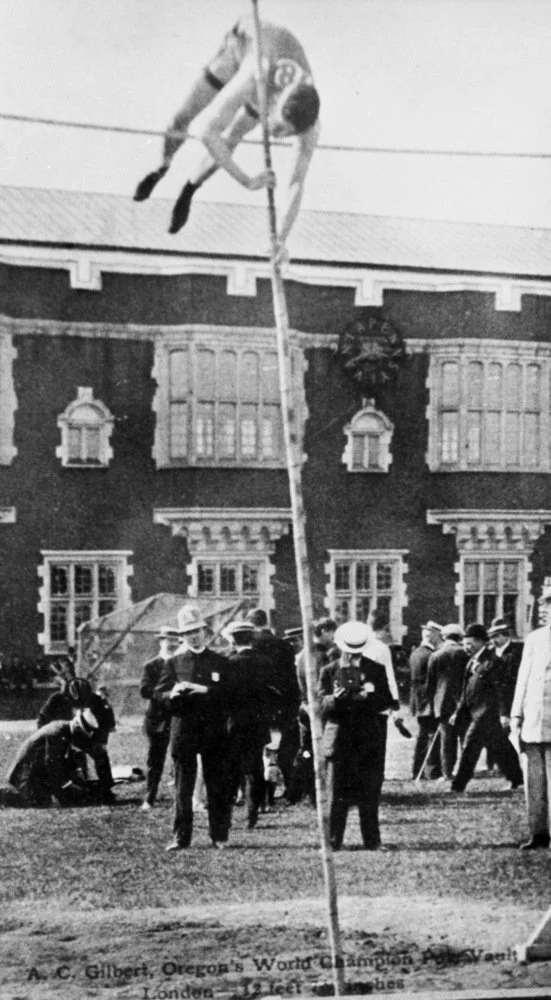
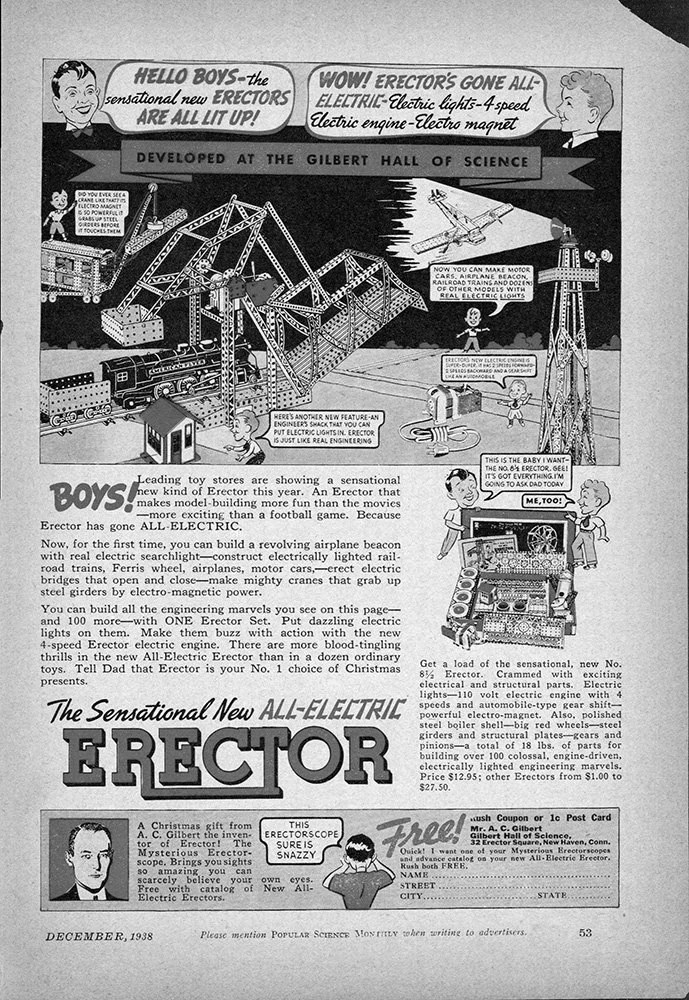
He is best remembered as the creator of the Erector Set, a metal construction toy that ignited the imaginations of generations of children. But his story goes far beyond the toy box. Gilbert won the gold medal in pole vaulting at the 1908 London Olympics — and was even the first person to invent the modern pole vault box. As a young man he mastered sleight-of-hand, performing as a professional magician while still in college. He went on to hold over 150 patents, founded the Toy Manufacturers of America, and purchased the rights to American Flyer trains in 1938.
During World War I, the U.S. government considered halting toy manufacturing to conserve resources. As president of the Toy Manufacturers of America, Gilbert argued passionately that toys like the Erector Set were essential to a child’s development and to fostering American ingenuity. His successful testimony led the government to reverse its decision — earning him the enduring nickname “The Man Who Saved Christmas.”
Gilbert believed deeply that play fosters inventiveness, creativity, and problem-solving. That philosophy is the beating heart of everything we do at Gilbert House Children’s Museum.